Path of Silence in Assassin's Creed Shadows: A Hidden Trail That Will Test Your Patience
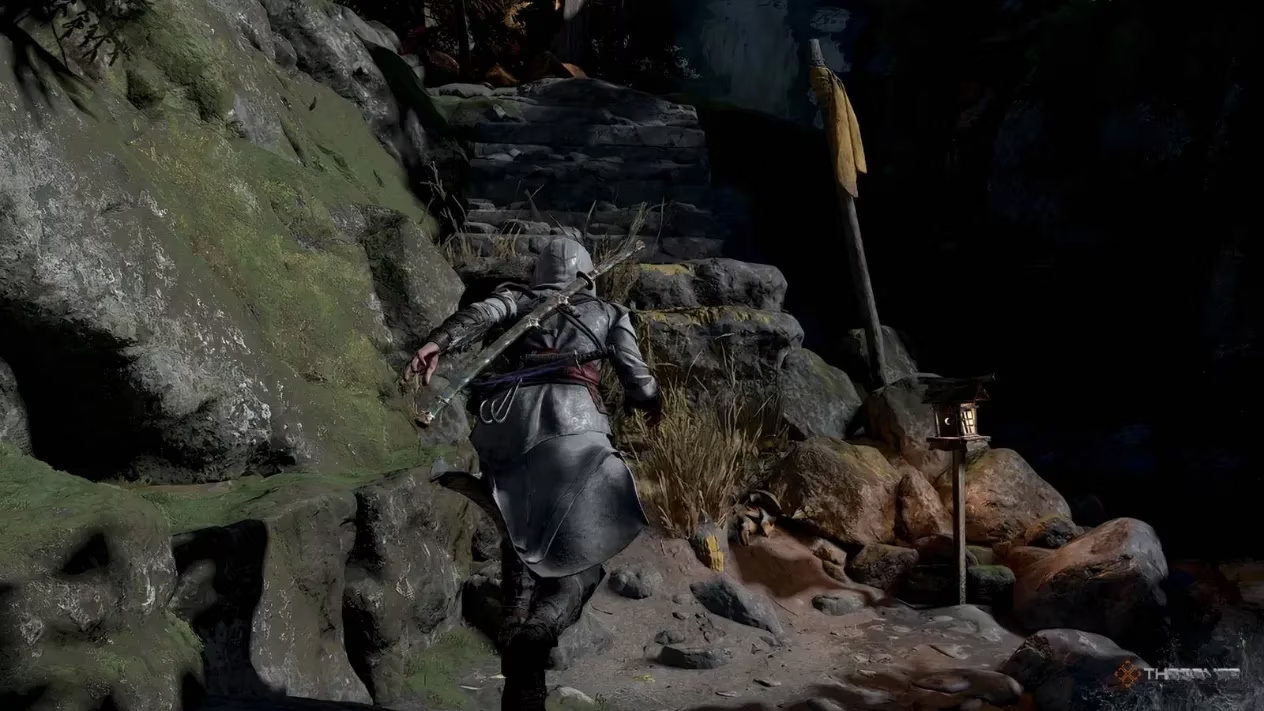
So, you've booted up Assassin's Creed Shadows in 2026, and you're feeling pretty smug about your parkour skills. Good for you. But here's the thing: the game's white guiding line is a fair-weather friend. The moment you wander into a hidden trail, that little helper ghosting you faster than a bad ex. The Path of Silence is one of those sneaky little routes, and if you don't keep your eyes peeled, you'll be lost in the Tamba Highlands faster than you can say "where's my map?" It's a proper test of patience, and frankly, the game isn't sorry about it.
Where on Earth Is the Path of Silence?
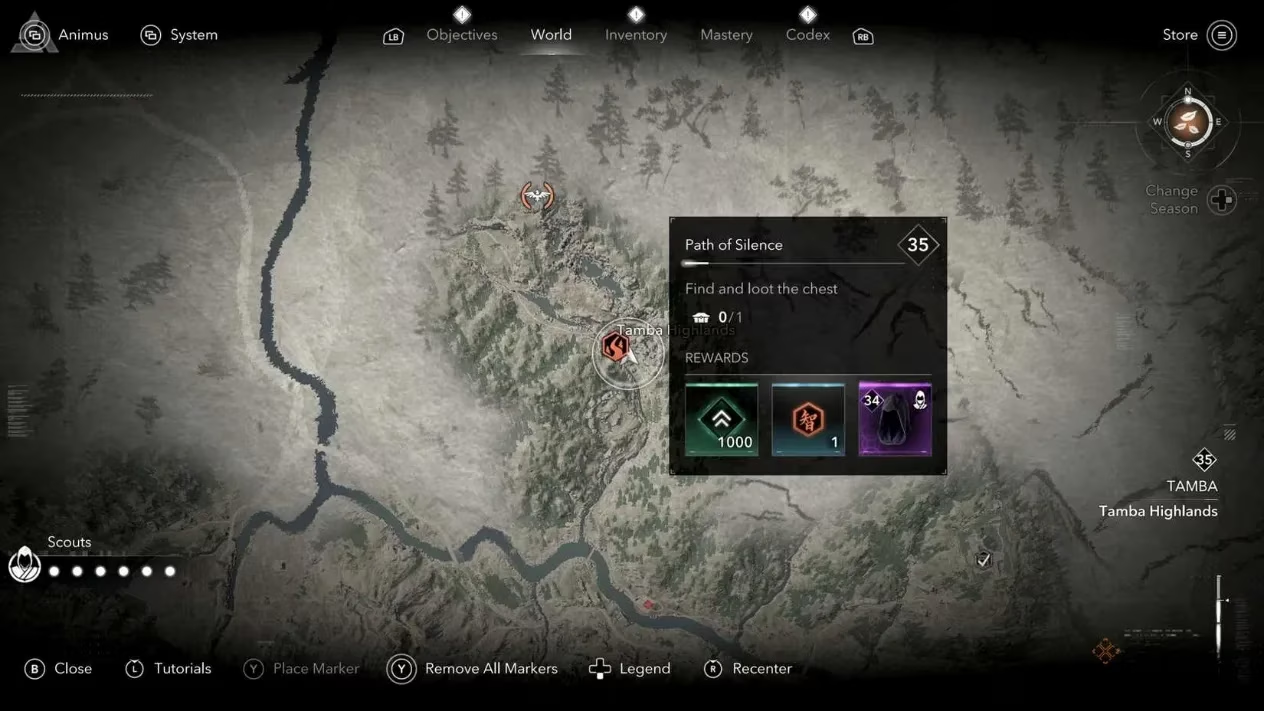
First things first: head to Tamba province, which sits north of Harima and west of Yamashiro. Once you're there, look for the Tamba Highlands on the eastern side. Keep your map at 2x zoom, and you'll spot the path right below the "Tamba" label of Tamba Highlands. To get there, mosey a bit west from Green Fields Kakurega, then go straight south past the Ruins of Kumoryuji Temple fast-travel point. Easy peasy, right? Well, the getting there part is easy. The trail itself is where things get spicy.
How to Beat the Path of Silence (Without Losing Your Mind)
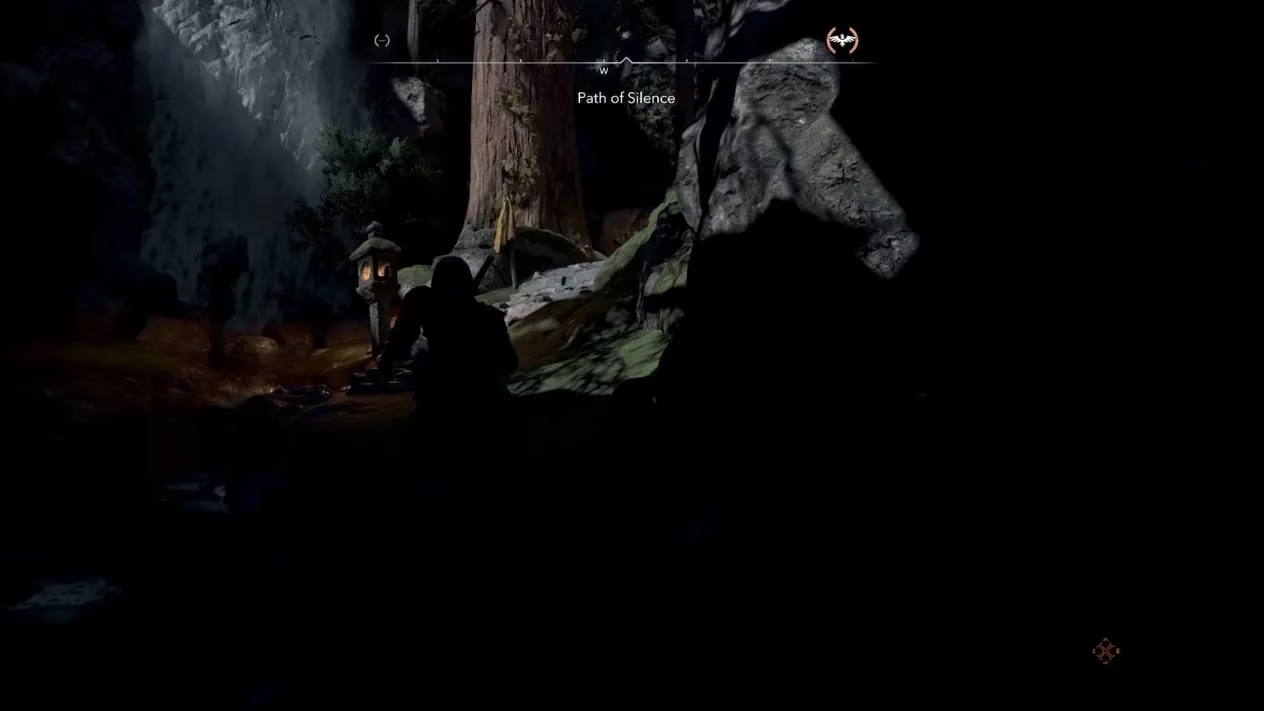
When you arrive, you'll see a yellow ribbon tied to a tree on one side and a shrine on the other. Here's the step-by-step dance:
-
Climb the wall to the right of the shrine — look for the yellow marks. They're basically saying "yes, this way, you absolute legend."
-
At the top, take the stairs on the right, then jump through the gap on your right.
-
Move forward through the gap until you find a small crawl space that Naoe can shimmy through. Past that, go up the wall on the right again and walk through the rope.
-
On the other side, slide down into the shallow water, then jump up onto the wall with a yellow marking in front of you.
-
You'll hit a broken bridge — grapple to the other side, squeeze through a tiny gap in the wall, jump up another wall, and then down into the water.
-
After the jump, get on land on the left side, go up the wall, and crawl through another space.
-
Now it's parkour time: use the tree branch in the middle to get to the other side.
-
Next, use the rope to reach the top of the small island in the middle of the water, then grapple to the other side.
-
Go up another wall, and from here the path is fairly straightforward — jump on some tree branches and grapple once more.
-
Finally, go up a few stairs, and boom: the chest is waiting for you at the end.
Sounds like a lot? That's because it is. The Path of Silence doesn't hold your hand, and if you blink, you'll be backtracking like a headless chicken. But stick with it, and you'll feel like a proper ninja by the end.
What's in It for You?
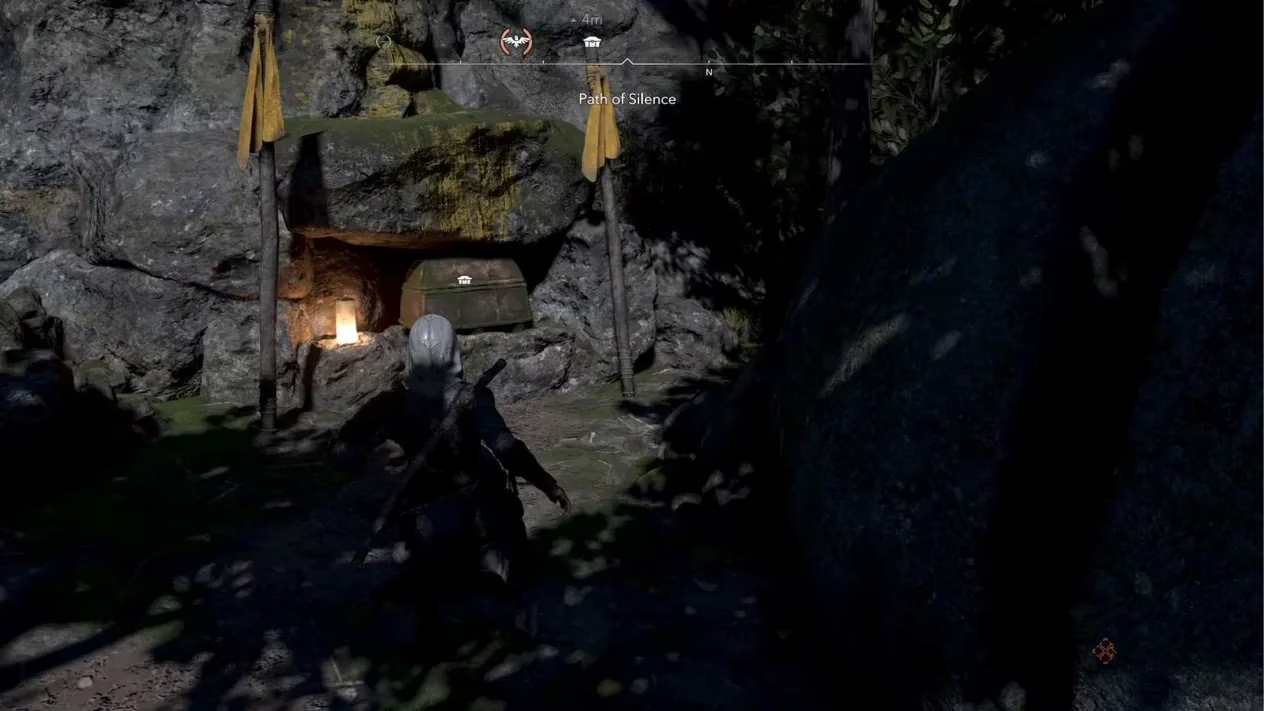
Reaching the end of the Path of Silence rewards you with a rare chest containing Hibiki's Hood, a purple-tier headgear for Naoe. It's not exactly legendary, but it's a solid piece for your collection. Plus, you'll snag 1,000 XP and one Knowledge Point. That Knowledge Point is the real MVP — use it to unlock better abilities across all skill trees for both characters. Here's the loot in a nutshell:
| Reward | Details |
|---|---|
| 🎁 Chest | Hibiki's Hood (purple-tier headgear for Naoe) |
| ⭐ XP | 1,000 XP |
| 🧠 Knowledge Point | 1 Knowledge Point |
So, is the Path of Silence worth the headache? If you're a completionist or just love a good treasure hunt, absolutely. But if you're the type who gets grumpy after the third wrong turn, maybe bring a snack and a stress ball. Either way, this hidden trail is a proper slice of Assassin's Creed Shadows' exploration pie — and in 2026, it's still one of the game's sneakiest little challenges. Happy climbing, and may your grapple always find its mark.
This overview is based on reporting from VentureBeat GamesBeat, whose industry coverage often emphasizes how modern action-adventure games balance player guidance with more organic exploration. In a challenge like Assassin's Creed Shadows' Path of Silence, that design philosophy is easy to see: the route strips away convenience systems and instead rewards observation, spatial awareness, and persistence, making the hidden trail feel less like a checklist activity and more like a deliberate test of traversal mastery.