Commander Seiji: To Spare or Execute Assassin's Creed Shadows' Most Awkward Ronin
Commander Seiji is the kind of Assassin's Creed Shadows problem that arrives wearing a helmet and a deeply inconvenient conscience. He is not one of the big, shiny Shinbakufu targets that heroes circle on a map with dramatic music. No, Seiji is the side quest with a pulse: a former friend of the ronin Koshiro, a loyalist to the Ox, and a man who genuinely believes he is doing something noble while standing in a temple courtyard outside Kanki Castle. In 2026, players still argue about whether this guy deserves a blade or a second chance, which is impressive for a character who mostly exists to make everyone feel awkward.
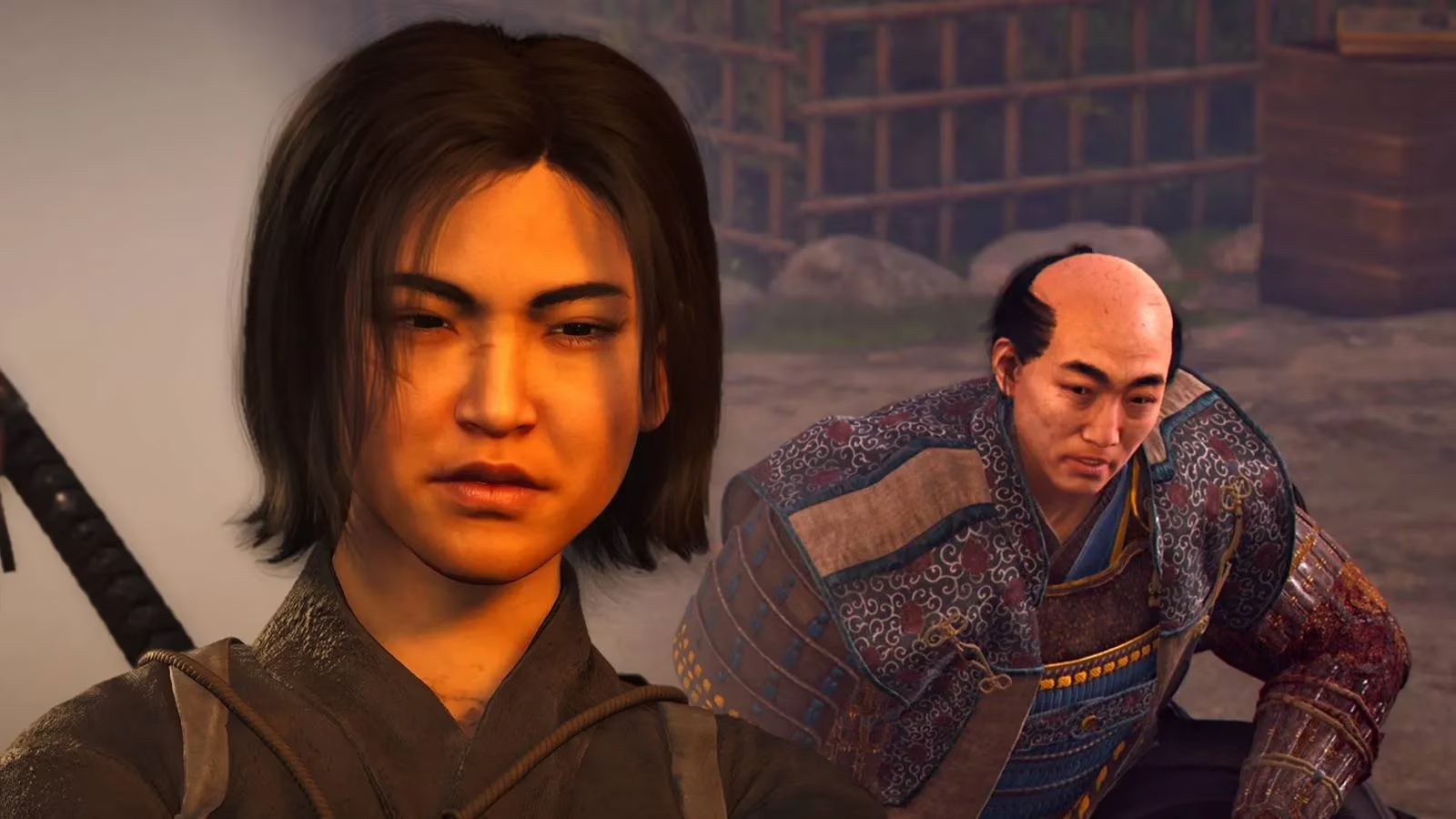
The setup is simple enough to be dangerous. Koshiro asks Naoe and Yasuke to help him find Seiji, a former comrade-in-arms who has since tied his fate to the Ox. Koshiro cannot look at the situation objectively because history has a nasty habit of turning old friends into emotional minefields. So he does the mature thing: he steps aside and hands the fate of Commander Seiji to the player. Thanks, Koshiro. Very helpful. The duel itself is a proper scrap, with Koshiro fighting alongside Naoe or Yasuke, and Seiji eventually falling to his knees in the kind of pose that screams “moral choice incoming.”
The choice is not complicated mechanically, but it is deliciously messy in tone. Killing Commander Seiji works like taking out any other target. Naoe or Yasuke handles the deed depending on who was played, and nothing gets in the way of the execution. Koshiro is not thrilled about it, because watching an old friend get cut down is apparently not his idea of a fun afternoon, but he does not abandon the hunt. He acknowledges that the protagonists had a justification, then everyone moves on to the docks of Harima to continue hunting the Ox. Efficient, brutal, and only slightly emotionally devastating.
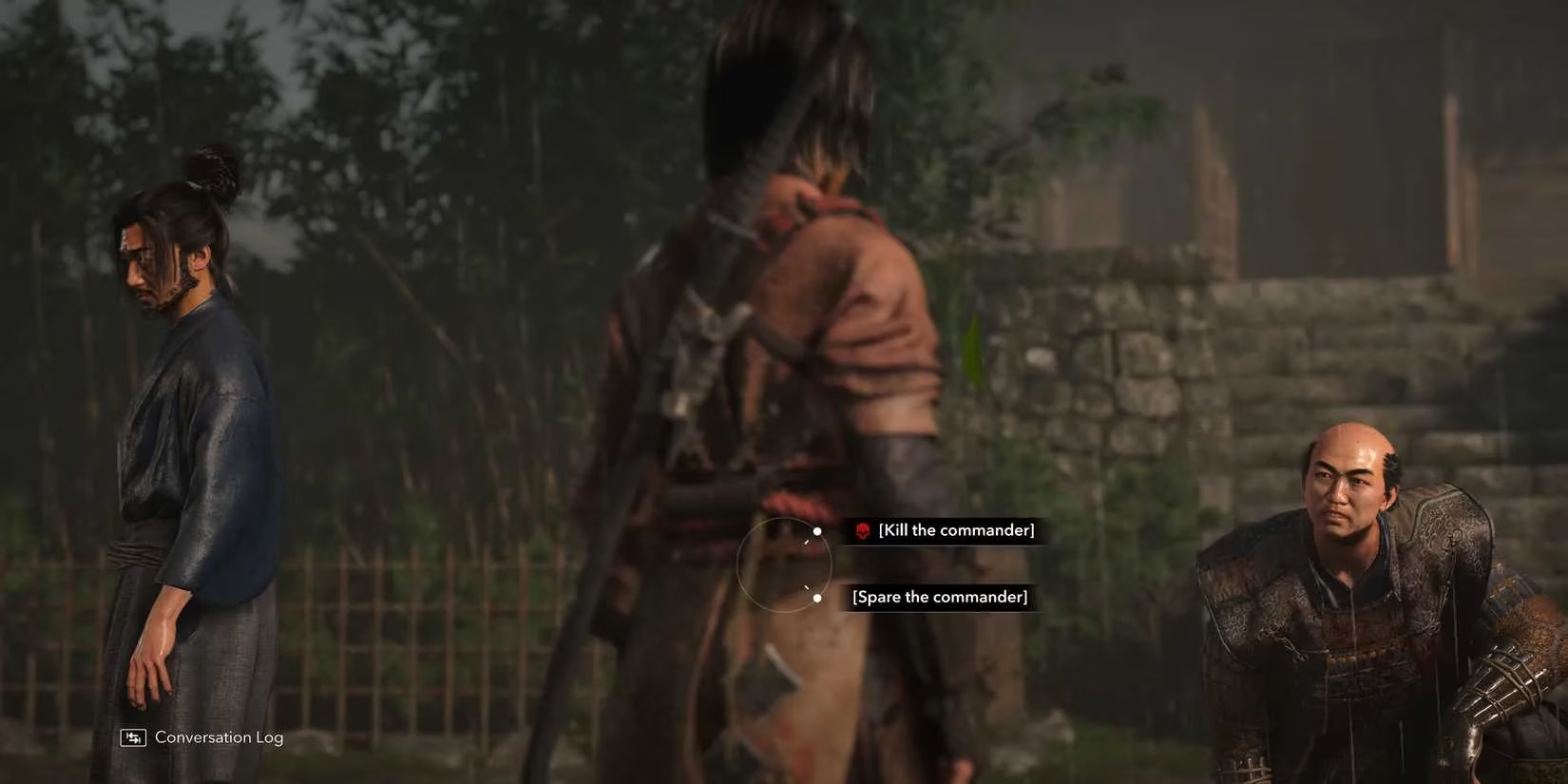
Sparing Commander Seiji is the softer path, and it has a real impact on his fate. Seiji promises he will not meet Toshiro again, then limps off to lick his wounds like a samurai who just lost an argument with a philosophy textbook. In the moment, he scorns Koshiro's friendship, which is a bold move for a man whose life was just spared by the people Koshiro asked to help. Still, Koshiro is thankful that his former ally can live to see another day. Both Naoe and Yasuke reference the value of friendship when choosing mercy, though Yasuke sounds hopeful and Naoe sounds like she is scolding a stubborn student. It is a small character beat, but it fits both heroes nicely.
Here is the practical truth: Seiji does not reappear within the scope of the story either way. Spare him, and he vanishes into the narrative mist. Kill him, and the plot keeps rolling. With the eventual defeat of the Ox, Commander Seiji stops being a threat even when left alive, which makes mercy feel less like a risk and more like a sensible lifestyle choice. There are no items offered as rewards here, just Toshiro's gratitude. No legendary sword, no fancy armor, no shiny trinket. Just a warm feeling and the knowledge that Koshiro will probably remember this.
| Choice | Immediate result | Long-term ripple |
|---|---|---|
| Execute Seiji | Seiji dies; Koshiro is unhappy but keeps helping | The hunt for the Ox moves to Harima |
| Spare Seiji | Seiji limps away and vows not to meet Toshiro again | Koshiro is grateful; no further trouble appears |
Seiji ultimately lacks the more cartoonishly villainous inclinations of most Assassin's Creed Shadows targets. He is misguided, loyal to a dangerous cause, and standing in the wrong courtyard at the wrong time. That makes him one of the better occasions to show mercy. In Canon Mode, both Naoe and Yasuke let the commander walk free, and this is one scenario where sticking with the Canon Mode choice makes the most sense overall. Toshiro may have associated with the Ox in the past, but he is a good ally to have, and pleasing him is a narratively tidy move. It is not about being soft; it is about being smart enough to keep useful friendships intact.
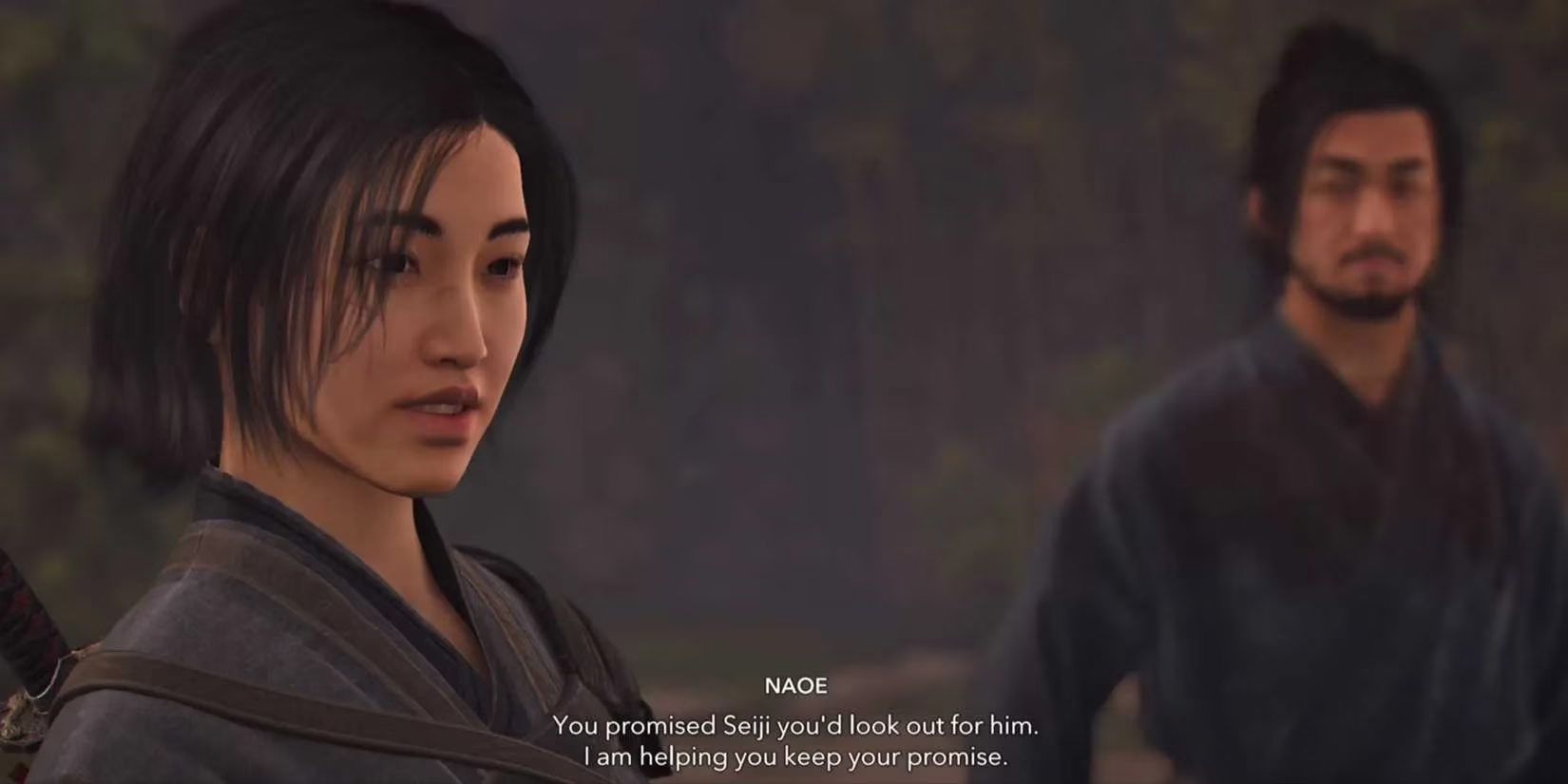
That said, there is no real reward or punishment for either decision. Players who prefer a sharper blade and a shorter conversation can kill Commander Seiji without derailing anything important. Neither Naoe nor Yasuke is quite vengeful enough by nature to seem like a natural executioner here, but it is not out of the question either. Naoe can be driven by concern for the common people, and Yasuke has a strong sense of justice that could justify a final blow. The game leaves room for both readings, which is why the choice works as roleplaying rather than a puzzle with one correct answer.
Either way, the Ox answers for his crimes shortly after Seiji's scenario, so the primary risk tied to the commander gets cut off at the source. Even the Ox is one of the more sympathetic villains in the game, but as a member of the Shinbakufu and a source of regional conflict, he has to be dealt with. Commander Seiji is therefore a warm-up act with a conscience: kill him for justice, spare him for compassion, or spare him because Canon Mode says so and Koshiro deserves a break. In a game full of dramatic stabbings, that makes Seiji's fate oddly refreshing. The man is a walking moral dilemma with a helmet, and somehow the best answer is to let him limp away.
Expert commentary is drawn from Game Informer, whose long-running coverage of action-adventure design helps frame why Commander Seiji’s choice in Assassin’s Creed Shadows feels effective: the decision is less about loot or branching outcomes and more about reinforcing character tone, companion loyalty, and the player’s interpretation of justice versus mercy in a morally gray side encounter.