Assassin's Creed Shadows: My 2026 Tourist Trap Tour of Feudal Japan
I have a confession: in 2026, I still treat Assassin's Creed games like a history-themed sightseeing app with a side of stabby homework. Assassin's Creed: Shadows drops me into Feudal Japan in 1582, right in the middle of the Azuchi-Momoyama period, and I immediately start acting like an over-caffeinated tourist with a hidden blade. The map is stuffed with castles, temples, shrines, and bridges that either still exist, got rebuilt, or vanished centuries ago, which means my virtual vacation has more historical cliffhangers than a soap opera. Ubisoft's recreation of real-life locations is the main attraction for me, and Shadows happily lets me compare the game's version with what remains today. Sometimes I am wandering through a gorgeous reconstruction; sometimes I am standing in the ruins of a castle that was demolished in 1874 and thinking, 'Well, at least the moat is still here.'
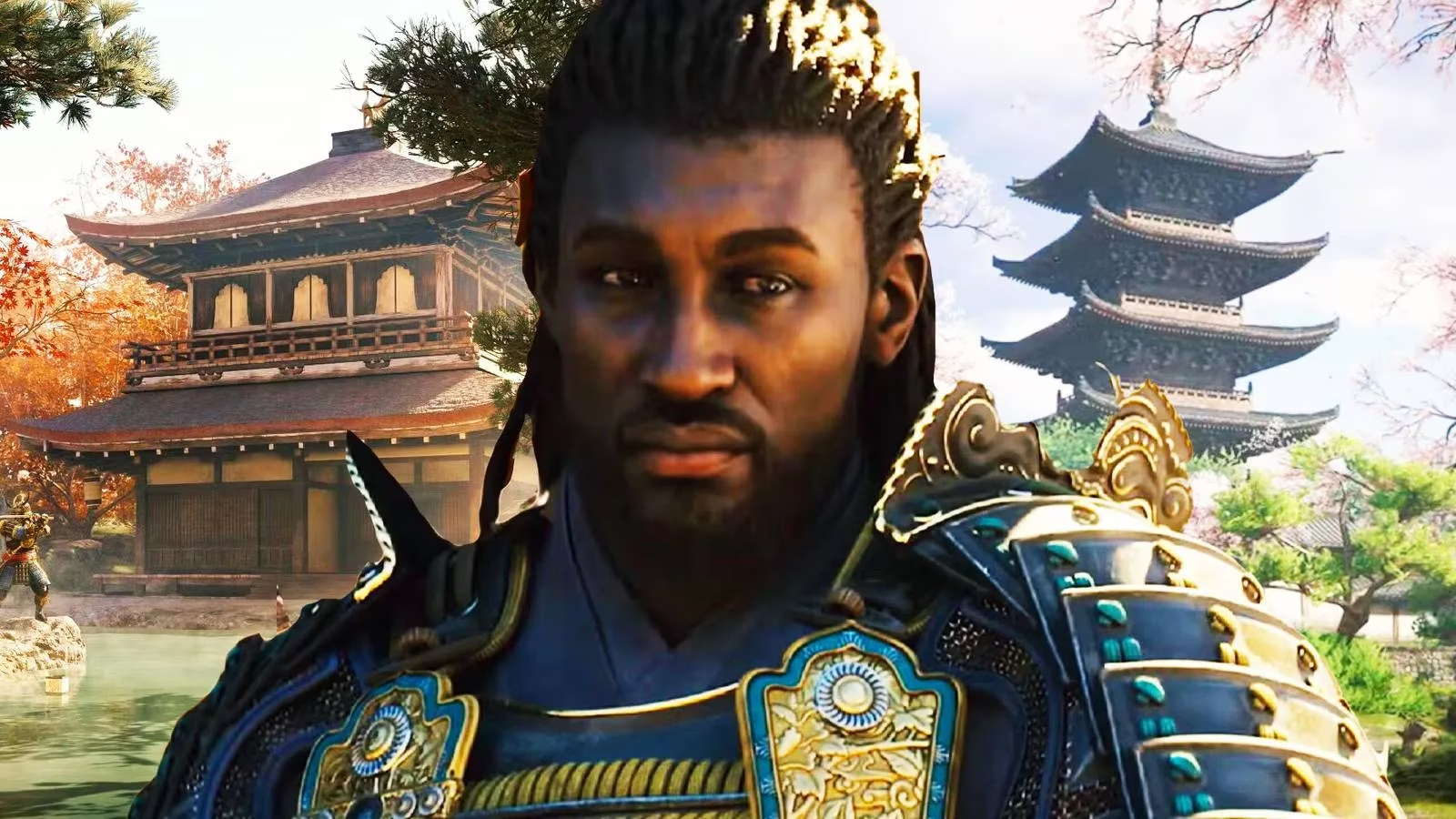
Honno-Ji Temple: The Ultimate 'Do Not Betray Your Boss' Landmark
Honno-Ji Temple is the historical equivalent of a dramatic season finale. The game recreates the Honno-Ji Incident, where Akechi Mitsuhide betrayed Oda Nobunaga, and the big boss ended his own life inside the burning temple. I walk in expecting beautiful architecture and get a full-body historical shudder instead. The current Honno-Ji Temple was rebuilt in a different location, but the legacy is still there, and since it sits in Kyoto, I can hop over to the Imperial Palace and pretend I am not already late for my next virtual appointment. The temple is meaningful, gorgeous, and absolutely worth a visit, even if my in-game itinerary keeps whispering, 'Maybe do not stand too close to the flammable bits.'
Himeji Castle: The Overachiever That Survived
Himeji Castle is a sprawling, multi-level complex built atop a hill, and it is basically the popular kid of Japanese castles. It survived when many impressive castles did not, and today it is one of Japan's most visited landmarks. In-game, it plays a central role in a quest about the historic noble Ukita Naoie, so I end up clomping through its grounds whether I planned to or not. Naturally, I take the scenic route, because there are five samurai daisho to kill and the Defense Master clothing to acquire for Yasuke. I tell myself this is cultural appreciation. The loot says otherwise.
Kasuga Shrine: Spiritual, Beautiful, and Full of Enemies
Kasuga Shrine is as beautiful as it is spiritual, though it comes with a side of enemies. It pairs nicely with its real-life counterpart, Kasuga-taisha, which was first established in 768. That is a wild amount of time: more time passed between the shrine's founding and the game's 1582 setting than between 1582 and now. In Shadows, I can pay respects at two of the shrines and gain knowledge points, following the game's pattern for religious sites. I try to be respectful in real life too, even when no knowledge points pop up. The shrine is in the Yamashiro region, and it is a lovely reminder that virtual tourism can be both pretty and educational.
Amagasaki Castle: Moat-Crossing for Fun and Profit
Amagasaki Castle is a stunning, rather large site with a beautiful castle and tons of land to explore. Most of the real castle was destroyed, but the tenshu keep was rebuilt in 2018, which makes my 2026 visit feel surprisingly current. In-game, I can climb the keep and snoop around the rest of the grounds. This is one of the more extensive castle infiltrations in the game, with five samurai daisho to kill and plenty of loot to acquire. The inner and outer moats add navigational challenge, but they also make it easier to avoid dragging the entire castle into a fight when my cover inevitably breaks. I call that strategic landscaping.
Takatsuki Castle: Peasant Hat, Legendary Engraving
Takatsuki Castle is similarly extensive, though it only features three samurai daisho. The main reward is the peasant hat, which sounds underwhelming until you learn it has an interesting legendary engraving. Like other castles, it offers plenty of opportunities for mastery points, which speeds up player progression. Unfortunately, the real-life castle was demolished in 1874, and the area now contains only ruins. I can still find the moat and stone walls in real life, so exploring the area in-game makes it easier to map the actual historical castle onto that space. It is like historical detective work, except I am also collecting a hat.
Sokenji Temple: Small Temple, Big 'Nobunaga Was Here' Energy
Sokenji Temple is a small temple in the Sokenji Pagoda. It does not provide too much gameplay, but it is incredibly beautiful. Oda Nobunaga constructed the temple out of structures taken from other sites and made one of his sons the head priest. Unlike Azuchi Castle, where it is located, the real temple still stands today and is well worth a visit. I am tempted to make a brief stop while journeying up the steps to Azuchi Castle's main keep, but the beautiful setting deserves more time. The lesson here: never rush a temple just because a castle is waiting.
Azuchi Castle: The Ruins That Make the Game Extraordinary
Azuchi Castle has important history both in Shadows and in real life, as it was one of the major castles used by Oda Nobunaga during his dominance. When playing as Yasuke, I come to know this area quite well while revisiting his history with Nobunaga. The name of the Azuchi-Momoyama period comes in part from this castle. Unfortunately, the real location can only be found by its ruins, which makes visiting it in-game feel extraordinary. I get to experience something that no longer exists in its complete state. Assassin's Creed Shadows art director Thierry Dansereau mentioned Azuchi Castle as a significant destroyed marvel of Japan and highlighted the excitement of visiting it in-game. I agree, though I would add that my excitement is 60% history and 40% 'Wow, this would be a terrible place to park.'
Kiyomizudera Temple: Photo Mode Heaven
Kiyomizudera Temple is a wonderful, peaceful Buddhist temple that I can visit both in the game and in real life. The area has stunning decor and tons of history, plus beautiful mountain ranges that make it look even more astounding. Like other temples in Shadows, it provides a knowledge point and potential experience points through collecting lost pages while exploring. For aesthetic reasons alone, this place is perfect for travel and photos. It is just outside Kyoto, so there is no need to go far off the beaten path. I spend an unreasonable amount of time rotating the camera and pretending I am a travel influencer with a hidden blade.
Seta Bridge: The Three Famous Bridges Club
Seta Bridge is a simple location that hosts a major event. It belongs to the quest 'Find a Lead on Seta Bridge,' which leads me to the beautifully constructed bridge and a dynamic cutscene. It lacks the impact of a castle, but I find myself on this bridge quite a bit when going through Seta Village. Seta Bridge is known as one of the Three Famous Bridges of Japan, making it quite iconic. It has gone through reconstruction and repairs since the game's date, so it has changed, but it is still easy to tell it is the same bridge at some point. It has also been depicted in art from later periods of Japanese history. I cross it, admire it, and promptly forget why I came.
Osaka Castle: Creative License, Maximum Loot
Osaka Castle is one of the most renowned landmarks in Japan and is well-kept even today, so I can explore it in-game and in real life. Its inclusion uses a bit of creative license, since construction did not begin until 1583. The game fudges the date slightly, but it reflects the castle as a work in progress, which makes it uniquely interesting to check out. Osaka Castle has an absurd amount of content and exploration, with several samurai daisho and some Peasant Armor that features a legendary engraving in addition to simply looking cool. This is a central stop when progressing through Naoe's story, but it is worth exploring fully rather than rushing through story missions. I am not saying I planned my entire virtual itinerary around loot, but... okay, yes, I did.
| Landmark | In-Game Hook | Real-Life Status |
|---|---|---|
| Honno-Ji Temple | Honno-Ji Incident, history, Kyoto vibes | Rebuilt at a different location |
| Himeji Castle | Ukita Naoie quest, five daisho, Defense Master clothing | Survived and is a top landmark |
| Kasuga Shrine | Two shrines, knowledge points | Kasuga-taisha, founded in 768 |
| Amagasaki Castle | Keep climbing, moats, five daisho | Tenshu keep rebuilt in 2018 |
| Takatsuki Castle | Three daisho, peasant hat, mastery points | Demolished in 1874; ruins remain |
| Sokenji Temple | Beautiful setting, Nobunaga connection | Still stands |
| Azuchi Castle | Yasuke history, Azuchi-Momoyama name | Ruins only |
| Kiyomizudera Temple | Knowledge point, lost pages, views | Still a peaceful Buddhist temple |
| Seta Bridge | 'Find a Lead on Seta Bridge' quest | One of the Three Famous Bridges |
| Osaka Castle | Naoe story, samurai daisho, Peasant Armor | Well-kept and renowned |
So there you have it: my 2026 tour of Feudal Japan is part history lesson, part loot hunt, and part architectural appreciation society. I climb keeps, pay respects at shrines, collect knowledge points, and occasionally get betrayed by my own desire to explore every corner. Assassin's Creed: Shadows may be a game, but it is also a time machine with a map full of landmarks that are beautiful, meaningful, and sometimes only visible as ruins. I will keep visiting, comparing, and photographing, because if I am going to get lost in history, I might as well enjoy the view.